


 LASERWAR
 CyberTag
 LaserArena
 May maneuvers
 Laserwar CRM
 Laser tag
 ZombieTag
 Lasertag
 Alphatag
 Laser tag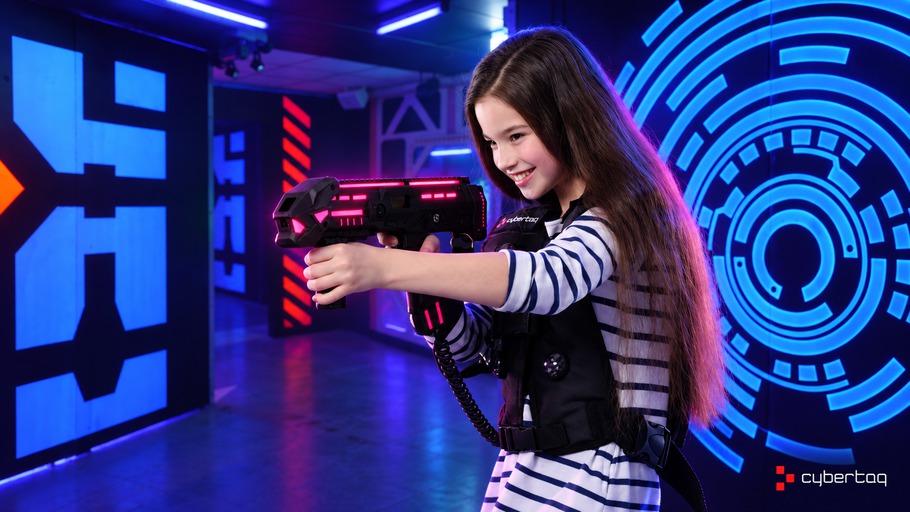
Safety in arena laser tag: preparation, clothing and game rules.
In this article we will discuss safety procedures at the CYBERTAG arena: from preparing the playing ground and preparing the kits to conducting a briefing, choosing the right clothes and players’ behavior during the round.
Blasters, vests, bandages and interactive devices help create the effect of computer game in reality, but at the same time it requires careful attention to the organization of the process.
Let’s look closer at how you can prepare to the laser tag game, what clothes to choose and what rules to follow on the playing field.
Preparing the playing field before the game.
Before each session, the instructor must ensure that the playing field is ready to receive participants. Even if arena works every day, a short briefing before the start helps to avoid injuries, technical pauses and difficult situations during the round.
What needs to be checked:
- the passages are clear; there are no foreign objects, wires, boxes or debris on the floor
- shelters, walls and decorative elements are securely fastened;
- sharp corners, protruding parts and potentially dangerous elements are covered with soft pads;
- the floor is smooth and non-slip;
- the lightning works correctly;
- the ventilation is on, especially when a smoke machine is in use;
- the emergency exits and evacuation passages are not blocked;
- the cameras and speakerphones work correctly, so that the instructor can monitor the game.
If in your arena you use interactive devices, bases, first-aid kits, control points or targets, they must be arranged in such a way that the players will not accidentally hit them while moving.
Checking the equipment
Before handing out the kits, it is important to make sure that all the equipment works correctly. The check takes a few minutes, but it significantly reduces the risk of problems during the game.
The instructor should check:
- blaster charges, vests, head bandages, and additional devices;
- the integrity of the blaster’s housing;
- condition of straps, buckles, mountings, and sensors;
- absence of cracks, chips, exposed wires, and play;
- the operation of the buttons, the trigger, and the second‑hand sensor;
- registration of hits from different directions;
- correct light, sound, and vibration indicators;
- the selected scenario, teams, number of lives, damage, and round duration.
Damaged equipment must not be given out to players, even if it is operational. It is better to replace the kits before the game starts than to stop the round or deal with the malfunction once you’re on the field.
Pre‑start briefing
Briefing is an essential part of the game. It cannot be reduced to a couple of phrases, even if the participants are in a hurry or claim that they “already know everything.” Many injuries happen not because of the danger of laser tag itself, but due to inattention, excitement, and violations of basic rules of conduct.
Before the game, you need to explain:
- how to hold the blaster;
- where to aim;
- how hit sensors work;
- what to do after deactivation;
- where bases, medical kits, checkpoints, and other game objects are located;
- which areas of the arena are accessible, and which are not;
- how to signal the instructor if a problem arises.
Safety rules need to be discussed separately. It is important for players to understand - laser tag is an active game, but it is not a contact sport.
Basic safety rules during the play
In arena you must not:
- run at full speed;
- push and trip;
- grab other players by their clothes, vests, or blasters;
- make physical contact;
- shove the opponent’s face or body with a blaster;
- shoot from a minimum distance, at point‑blank range, if this is prohibited by the rules of the site;
- climb onto shelters, decorations, and elements of the labyrinth;
- move or break game objects;
- cover the sensors with hands or clothing;
- play with untied shoelaces, bags, backpacks, and unnecessary accessories.
The main rule is simple: the player must control their movements. Winning a round is not worth getting hurt, having collisions, or ruining the celebration.
The role of the instructor during the game
After the game starts, the instructor should not leave the participants alone. Even if everyone has completed the briefing, the excitement quickly takes over: players start to speed up, forget about maintaining distance, may turn a corner too abruptly, or interfere with each other in narrow passages.
The instructor must:
- monitor the game via cameras or from a secure observation area;
- make remarks in time via speakerphone;
- to stop dangerous behavior;
- help players if there is a problem with the equipment;
- monitor children and newcomers especially carefully;
- if necessary, pause the game.
If a participant breaks the rules again, it is better to remove them from the round. This protects the other players and maintains the normal atmosphere of the event.
What kind of clothing is suitable for laser tag?
For arena laser tag, you don’t need a special uniform, but the clothing should be comfortable and safe. The playing ground is usually indoors, and the game is fast, so it’s better to choose items that don’t restrict movement.
What’s to choose:
- sports trousers, leggings, shorts, or tights;
- T‑shirt, long‑sleeve or light hoodie;
- convenient replacement shoes;
- sneakers with a non‑slip sole;
- clothing without large decorative elements.
What’s better to avoid:
- high‑heeled shoes;
- winter boots;
- sandals, flip‑flops, and non‑secured footwear;
- long scarves;
- clothing with chains, large buttons, hanging straps, and loops;
- too many warm clothes;
- rigid accessories that may interfere with the vest or bandage.
Before the game, it’s worth checking the laces. It’s better to tie them securely or tuck them inside the shoes so you don’t trip during the round.
Do we need extra protection?
Laser tag is not considered a high‑risk game, but additional protection can be useful, especially for active players and children.
You can use:
- knee pads;
- elbow pads;
- sports gloves;
- light wrist protection.
This is not a compulsory requirement, but such equipment helps prevent bruises in case of a fall or sudden movement near a shelter.
Children's safety
If children are playing, the control requirements should be stricter. A child might get carried away, run faster, fail to notice an obstacle, or forget the rules immediately after the round starts.
It is important for children’s games:
- to conduct an instruction in simple words;
- repeat the prohibitions several times;
- adjust the vest or bandage to the correct size;
- make sure the equipment is not loose;
- divide teams by age and physical activity level;
- avoid giving children complex scenarios;
- keep the instructor in constant contact with the playing ground.
If the children are of significantly different ages, it’s better to think through the team balance in advance or choose a scenario where the younger participants won’t feel left out.
Equipment hygiene
Since vests, bandages, and blasters go through a large number of players, sanitary safety is also important.
After the games, you should do the following things with the equipment:
- wipe off dust and moisture;
- dry before storing;
- clean the interior elements of the vests regularly;
- monitor the condition of the cuffs, straps, and soft inserts;
- do not store wet equipment in closed cases.
If replaceable or removable elements are used, they must be washed or disinfected in accordance with the club’s regulations.
Fire and electrical safety
A laser tag arena is not just a maze; it also includes equipment, chargers, computers, lighting, and interactive elements. Therefore, it is important to follow fire safety rules.
Key recommendations:
- use only original chargers;
- charge the equipment under staff supervision;
- do not leave the charger overnight unless necessary;
- turn off the equipment after the shift;
- do not overload sockets and power strips;
- store cables neatly;
- do not block emergency exits;
- keep fire extinguishers and evacuation plans in accessible locations.
The staff must know where the emergency exits are located and how to act in the event of an emergency.
What to do after the game
After the round is over, the instructor must organize the players’ exit from the arena and collect the equipment. It is important to avoid chaos in the distribution area, especially if the next group is already waiting for their turn.
After the game, you need to:
- check whether all participants have left the arena;
- take blasters, vests, and bandages;
- inspect the equipment for damage;
- turn off the kits;
- put the batteries on charge if necessary;
- wipe down and dry the equipment;
- record the malfunctions in the maintenance log.
If someone has suffered a bruise or is feeling unwell, the situation must be documented and assistance provided in accordance with the site’s internal regulations.
Conclusion
Safety in laser tag is based on three things: properly functioning equipment, a prepared playing area, and an attentive instructor. Laser tag itself is safe for children and adults, but the fast‑paced game requires discipline.
If you check the arena before the start, provide a clear briefing, choose the right equipment, and monitor the players during the round, the game will go without injuries, interruptions, or unpleasant situations.
Good security doesn’t interfere with emotions. On the contrary, it helps players fully immerse themselves in the game and enjoy every scenario.
You must be logged in to post a comment.