


 LASERWAR
 CyberTag
 LaserArena
 May maneuvers
 Laserwar CRM
 Laser tag
 ZombieTag
 Lasertag
 Alphatag
 Laser tag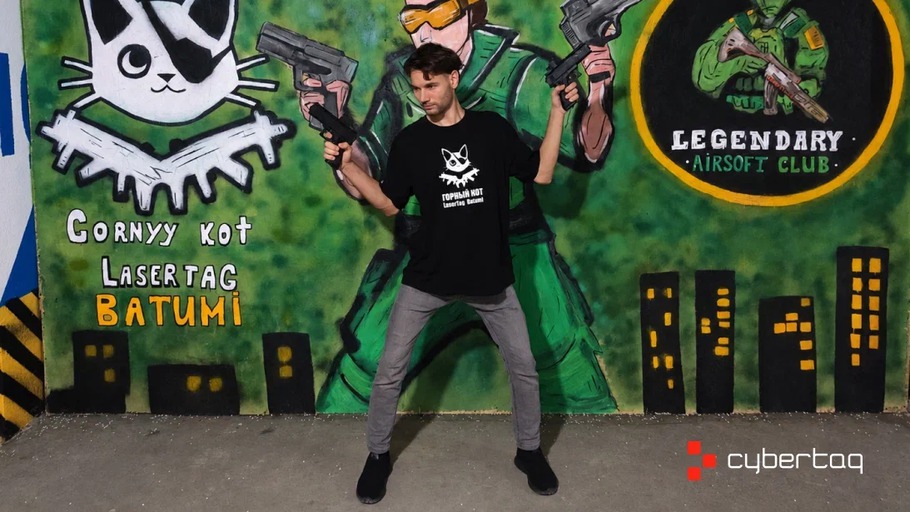
How to Train an Instructor: The Experience of a Laser Tag Club Owner
One day after a game, children at a laser tag club sat down to rest right on the floor. The instructor had simply forgotten to bring out chairs and tables.
At first glance, it seemed like a small thing. But it is exactly these small things that shape players’ impressions.
After four employees, each of whom lasted only one or two weeks, Mikhail Vyaltsev, owner of the Gorny Kot laser tag club, decided to write down all the experience he had accumulated in a set of instructions.
In this new interview, we discuss:
How do you train employees at a laser tag club? Which mistakes should you prevent?
How do you make sure the boss is truly perceived as a boss?
Why should a good instructor look at the game through the player’s eyes?
And why turn the post-game statistics announcement into a small ceremony?
How a system of employee procedures appeared at a laser tag club
— Tell us about yourself: where do you work, what is your position, and what are you responsible for?
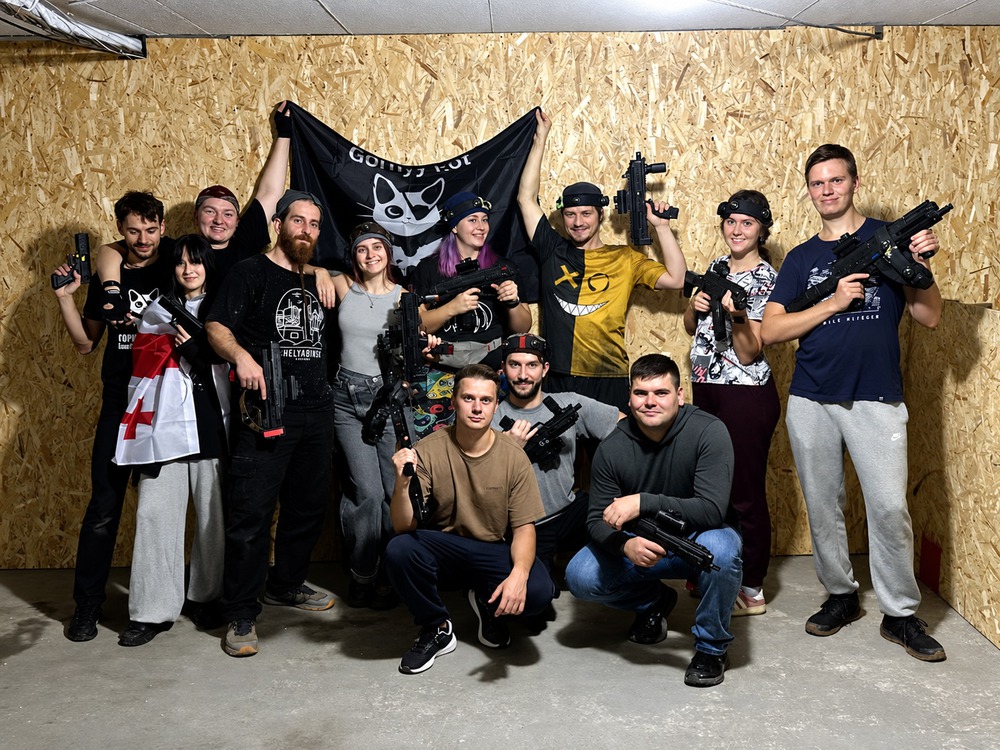
I’m Mikhail Vyaltsev, owner and manager of the Gorny Kot laser tag club in Batumi. I organize games, handle equipment, train employees, develop scenarios, and build internal processes. I also help organize other events, and over time I transferred this instruction system there as well.
— Tell us a little about the club: where is it located, how long has it been running, and what format of games do you offer?
It’s located in Batumi, Georgia. We’ve been operating for a little over three years, since August 16, 2023. We mostly run private games, plus one open game per week.
— How many employees usually work on the team?
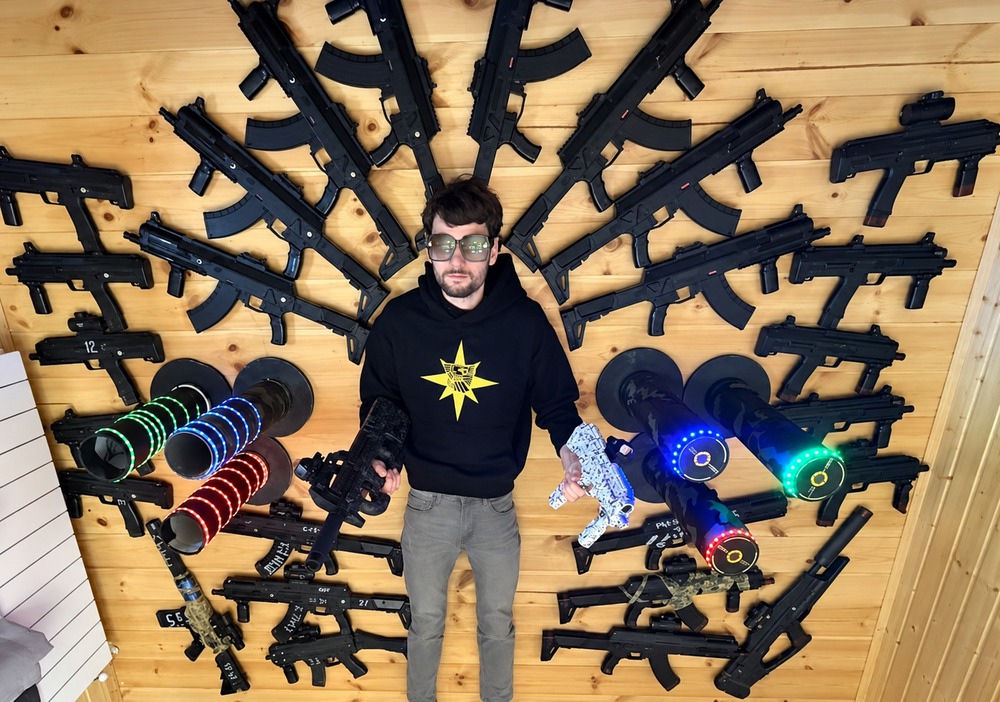
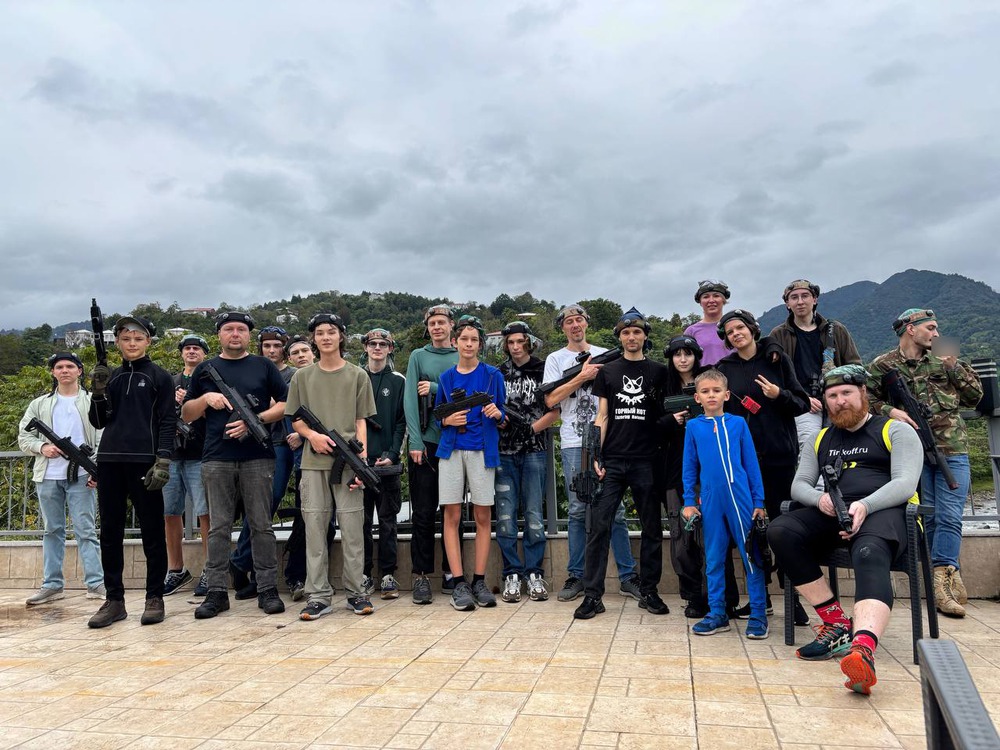
In addition to me, there are three people on the team. They mostly run games and also handle some SMM-related tasks. For the last year and a half, I have hardly run games myself. Usually one person runs a game. If there are many participants, then two. For very large games, for example a camp outing with 60 children or an event for the club’s birthday, everyone works at the same time. Sometimes two games also run simultaneously at different locations.
— You wrote that you faced staff turnover. What exactly was the hardest part?
The hardest part is finding the right person. In Georgia, this is complicated by several factors. In addition to responsibility and punctuality, which is already a lot, the person needs to know several languages: at least Russian, English, and Georgian. Also, since 2026, employment requirements have changed, and hiring someone who is not a Georgian citizen has become much more difficult.
This job is not for everyone. Sometimes things did not work out because of serious punctuality issues. Also, a person might not be interested in the game themselves, which meant they understood the customer experience less well. For others, the part-time format simply did not suit them.
— What did you have to explain to every new employee again and again?
Everything. The hardest parts were turning on the taggers and reading the statistics. At the time we were hiring, we had 8th- and 9th-generation equipment. New people often confused the generations and could not understand why the equipment was not working properly.
There are many nuances when reading statistics. For example, it is not always possible to connect a tagger to a phone; the readout is not always correct; sometimes the app crashes and shows an error.
— Were there situations where an employee’s lack of preparation caused problems during a game?
Once we were unable to read the statistics, and the players really wanted them, so they were upset that they did not get them.
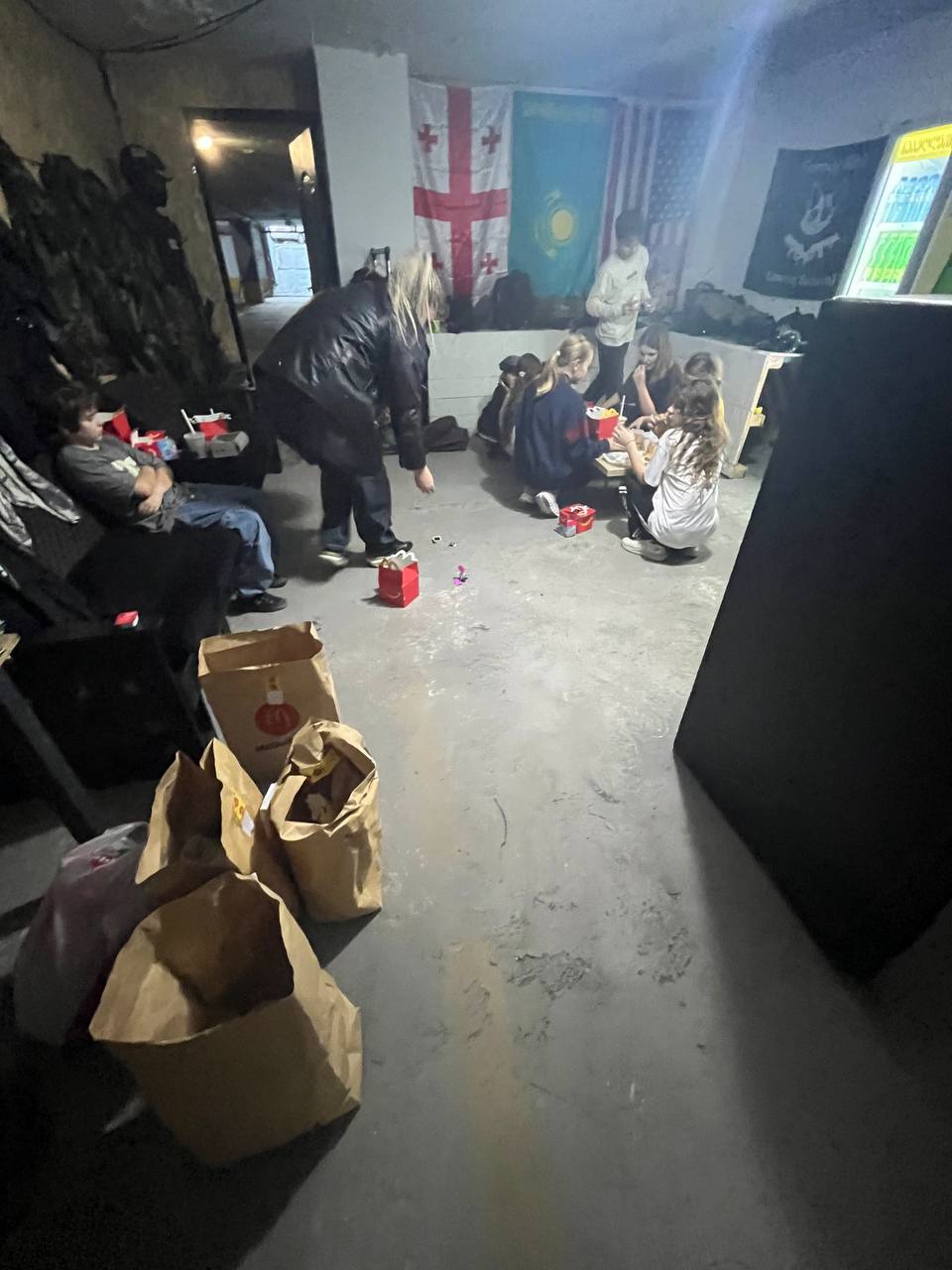
Another time, an instructor did not bring out folding chairs and tables for the players, and after the game the children sat on the floor to eat. I found out about it from the airsoft admin, who came in after our game.
There were no other problems related to preparation. I devoted enough time and attention to training.
— At what point did you decide it was time to write down all the instructions?
When four employees in a row left after working for one or two weeks. They either felt this work was not a good fit, or they moved away. I got tired of explaining a large amount of information from scratch. Plus, it is impossible to remember everything at once, and some things were episodic and might not come up in practice during training.
My father advised me to write all the instructions as clearly and comprehensively as possible, so that in theory a person could run a game without any training at all, using only those documents.
— Did you plan from the start to create an entire system, or did the documents appear gradually as problems arose?
I immediately wrote down almost everything we had developed by that point, then divided it into areas: preparation, running the game, the boss, and administrative matters. Soon after that, we found three employees who are still working with us today.
Once a stable team had formed, the need to keep updating the instructions became smaller. So some of the documents now need to be updated.
— What changed after these documents appeared?
The first stage of training became easier: even before starting work, a person can read the documents and understand what exactly they will need to do, and they arrive with at least some understanding of the job.
Also, it is an excellent checklist for when questions come up in the process. You do not have to call me if you forgot something or do not understand something. The checklist helps you make sure you have not missed anything.
Overall, preparing instructors now takes less time and attention.
How to Prepare an Instructor for an Independent Shift
— If someone with no laser tag experience at all comes to you today, where does the training begin?
First, they need to read all the instructions to understand the essence of the work, and simply play a few times to understand the gameplay.
Then they spend several sessions as an assistant to the lead instructor: under supervision, they turn on the taggers themselves, distribute the equipment around the location, collect it at the end, read the statistics, and then turn off and pack the equipment. Separately, they learn and practice how to conduct the safety briefing and announce the statistics.
In total, a person needs to work as a second instructor for about a month before they can independently run small games for six to eight people. The workload can be increased gradually. To work with larger groups, especially children’s groups, experience is necessary. The ability to hold a group’s attention, engage children, and solve unexpected problems cannot be learned from instructions alone.
— What must an employee be able to do before their first independent game?
Everything listed in the documents. They must be able to independently:
- run the entire event,
- prepare for it,
- turn on the equipment,
- meet the guests,
- conduct the briefing and several game rounds while keeping to the timing,
- accept or check payment,
- read and announce the statistics,
- detect and fix possible malfunctions,
- solve problems that arise,
- put everything in order after the game,
- collect the equipment and put it into storage or send it to another location.
— What knowledge cannot be properly conveyed in text and must be practiced?
Text can explain the sequence of actions, but it is hard to teach someone how to manage a group’s attention, feel the pace of the game, give people a break at the right time, calm down a conflict, or understand that children are already bored. This is especially noticeable with large children’s groups.
— How long does it usually take a beginner to start working independently?
One month. After a month, the beginner runs a game in my presence, and I do not interfere. If everything goes well, they can run games independently.
— What mistakes do new instructors most often make?
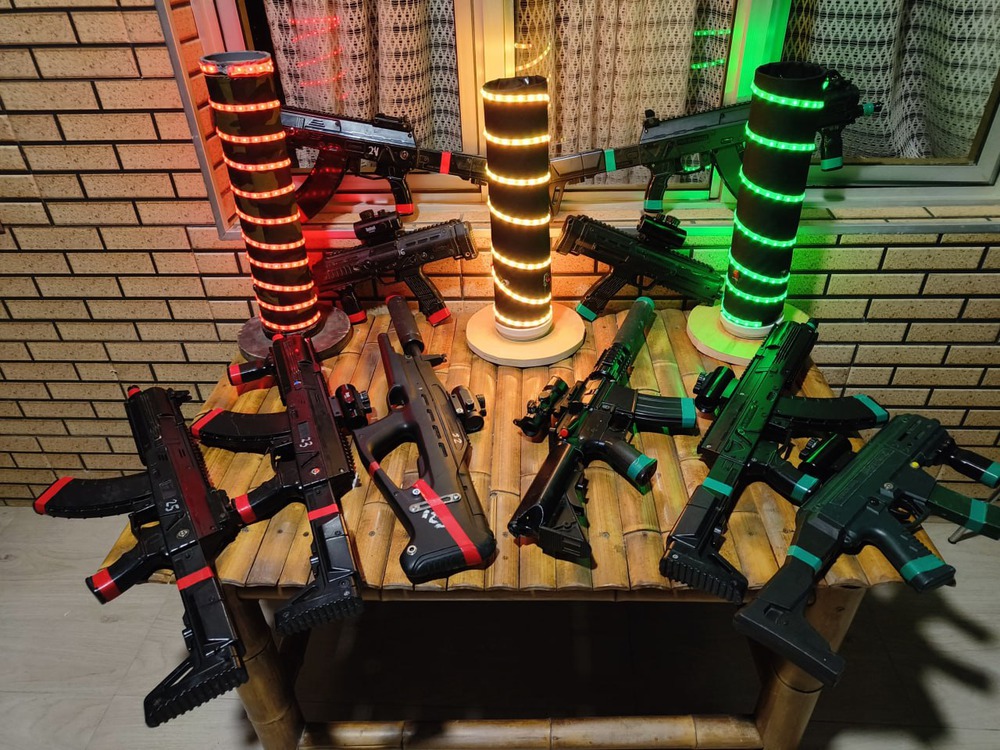
They shout at players, arrive late, and forget to turn off taggers and sights. When we used 8th- and 9th-generation equipment, instructors mixed up headbands and taggers from different generations. I introduced color coding and marked the 8th-generation taggers.
— What mistakes do you notice even among employees who have been working for a long time?
Sometimes they forget to turn off taggers or sights. They do not report malfunctions in time, or that consumables are running out: clean bandanas, batteries for sights, or first-aid supplies. They do not monitor device charge levels.
— What distinguishes a good instructor from someone who simply knows the rules and sequence of actions?
A good instructor plays regularly and can understand what is happening from the player’s point of view. They keep an eye on balance and on whether all participants are engaged. The procedure helps you not forget mandatory actions. But a good instructor understands why they are doing them, sees the players’ reactions, and can move away from the template when the situation requires it.
— Do you have different requirements for employees working with children, teenagers, and adults?
The formal requirements are the same, but children’s groups need a more experienced instructor: there, it is much more important to hold attention and calmly ensure that rules are followed. That is why, for children’s games, we give priority to the employee who handles such groups better.
What an Instructor Should Know About the Equipment
— Why did you decide to create a separate list of equipment sets, their attachments, and specifications?
The separate list is not only for the instructor. It is also available to players, so they understand the game, can make a choice, and understand what they are playing against. The instructor needs to know this too, so they can answer players’ questions and also suggest and switch presets for them: equipment configuration sets. The documents do not include information about presets; we added them fairly recently.
— What technical knowledge is mandatory for an instructor?
They need to know how to work with the equipment and understand the main functions. They need to be able to diagnose and describe faults. I usually handle repairs myself, so instructors do not need any special technical skills.
Sometimes something breaks during a game. Being able to fix the problem on the spot is a useful skill, but not everyone can do it. One of my instructors once repaired the in-game Medkit during a game.
Earlier, when I was just starting out, the quality and technical condition of the equipment were worse. While I was running the game, my friend, who helped me for a while, could replace a speaker in a tagger or put a loose battery back in place. Those are valuable skills, but they are not mandatory.
— How important is it for an instructor to understand the principle behind the equipment, rather than simply know the button sequence?
There are no especially complicated principles. You need to understand how to adjust IR power to the game conditions. You need to know what each piece of equipment is responsible for. It is also important to understand why something is not working or not connecting.
With statistics, knowing the button sequence is not enough. You need to understand at which stage the problem appears and why a particular tagger is not connecting. Sometimes the headband is not disconnected and the tagger is simply launched in settings mode. Or the device is not disconnected from the speaker, or the M4 often does not connect if there are many powered-on taggers nearby.
— What do you consider the minimum technical exam for a new instructor?
Turn on all the taggers, mix up and correctly distribute the headbands, then turn off the equipment and read the statistics.
The Boss: Part of the Game, Not Just an Instructor in Costume
— What should an instructor do so that the boss’s appearance is truly perceived by players as an event?
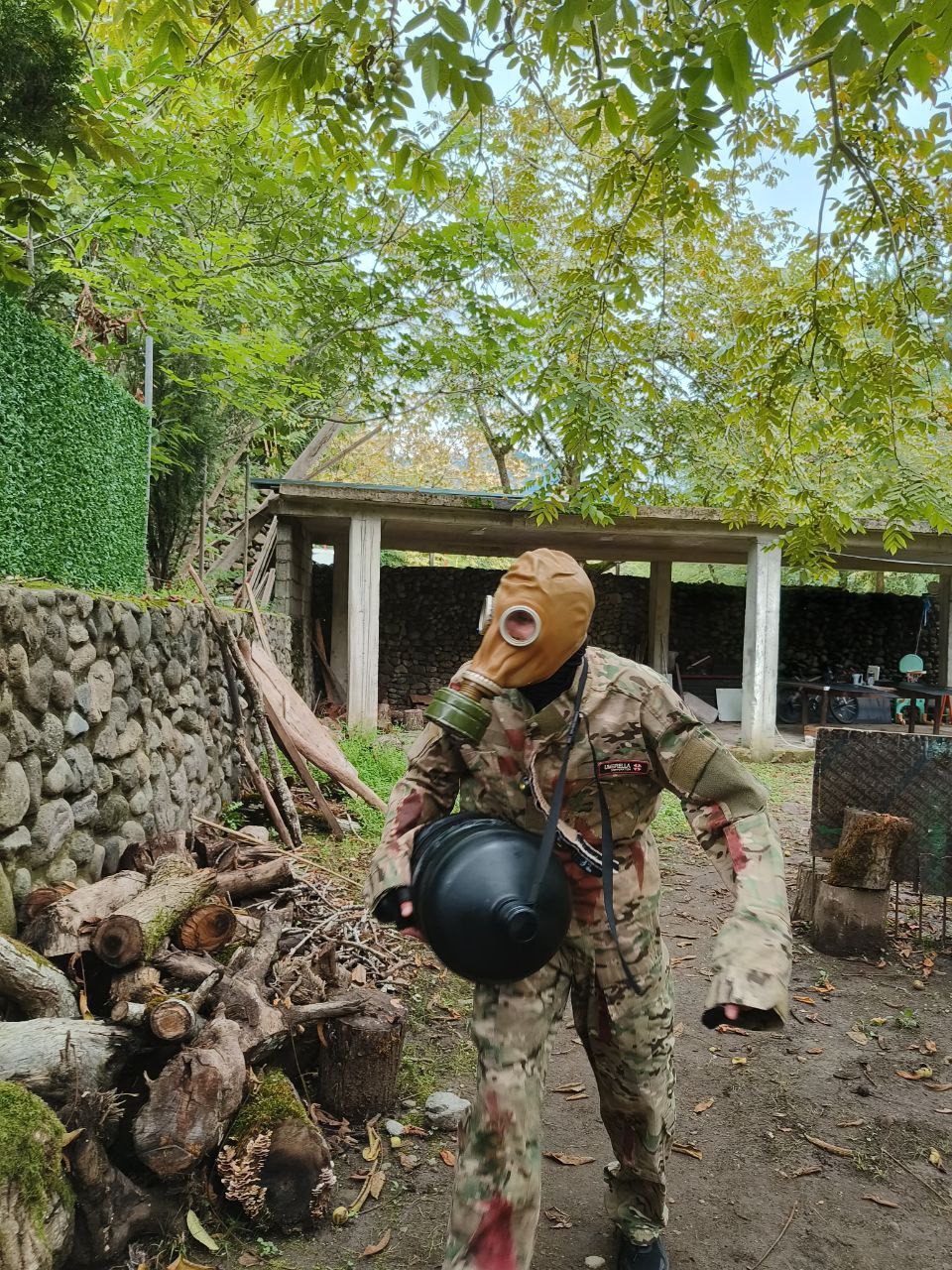
Intrigue the players. Say that a third force will appear, but do not give details. Maybe warn them not to breathe poisonous gas. During the round, give some details over the radios and guide them if the players cannot figure out what to do with the boss. This should also be done over the radio.
— What mistakes can an instructor make when playing the boss?
There can be many mistakes:
- hitting players too hard,
- moving at a normal walking pace or running,
- pressuring only one team,
- coming out too early or too late,
- gearing up poorly and losing a headband or attachment during the round,
- starting to talk to the second instructor in front of the players while still in costume.
— Why does your procedure recommend attacking the leading team?
For balance, so the round is more dynamic. Sometimes one team takes over the location and pins the other team down. The boss’s entrance can fix the situation without ruining the second team’s impression.
— What should you do if players do not understand at all how to defeat the boss?
You can give instructions over the radio, offer hints before the round, expose vulnerable spots to shots, and react to hits. If the boss encounters a large group of players, they should not attack them; it is better to retreat.
— What is the difference between a good boss and just an instructor in a costume?
All of the points above. Most importantly, there should be no association between the boss and the instructor. The boss is the boss, and the instructor is somewhere else. You also should not change clothes in front of the players.
— Which boss options do players like best?
Most prefer the snork with a club. Smoke works well only the first time. Some players like themed bosses: for example, many children like the pumpkin-headed boss with a diamond axe, while Wolfenstein* fans like the armored fighter in a peaked cap, with a saber and a pistol.
But usually, when we give players a choice, they prefer the snork with a club as the boss.
*Wolfenstein is a series of first-person shooter and stealth-action computer games featuring alternate-history and fantasy elements.
What to Do When Everything Goes Off Plan During a Game
— What unexpected situations happen most often during games?
Usually everything goes according to plan. We have spare kits and equipment in case something breaks. Sometimes players, or part of the group, are very late; in that case, if there is no next game after this one, we add extra time for them.
A couple of times, many more people arrived than had been announced, and there were not enough kits for everyone. Games have also overlapped. Usually I resolve these situations, or the employee on shift does it under my guidance.
Most often, problems arise with transporting players to the out-of-town location. The cost is included in the game price. Sometimes players are late to the meeting point, or problems occur on the way, for example because of roadworks. Drivers sometimes try to take money both from me and from the players, or ask for more than was agreed.
Sometimes players change their minds about going, or do not want to wait for players who are late.
— What was the most unexpected case during your work?
A player once died six times in a two-hour game, including once in “free-for-all” mode, and killed an opponent 115 times.
The players were roughly the same level, and I was playing on the team against him.
As for organizational moments, I don’t know. There were no major surprises.
— How do you train employees to act calmly when a problem arises right during the game?
We do not have separate training for stressful situations. But we discuss typical problems in advance: injuries, malfunctions, late arrivals, and difficulties with children. If I see an incorrect reaction in practice, we analyze it separately.
In any unclear situation, they can contact me for instructions.
— How is an employee’s responsibility structured if a player gets injured?
The instructor must talk through the dangerous moments. The main cause of injuries is players colliding. That is why we teach players to hold an outstretched hand in front of them when coming out from behind corners.
If rounds take place in the dark, we separately discuss safety and caution and recommend not running. It is also important to sweep up any BBs left after airsoft.
If an injury does happen, the player needs to be removed from the game and given the necessary help. We have not had any serious injuries in all this time.
— Which situations are especially important to discuss with a new employee in advance?
Injuries, equipment breakdowns, players arriving late, and situations where children do not listen.
— Which decisions can an employee make independently, and which ones should be agreed with the manager?
Decisions related to rounds are made by the employee: choosing the boss, how to divide players into teams, and hidden bonuses.
They need to agree on extending the game, payment issues, and technical matters: where to put the equipment after the game, what to take, what to leave, whether to pay for location rental, and player transport.
How to Know a Game Really Went Well
— Why do you pay special attention to statistics and awards after the game?
The main channel for attracting players is reviews and impressions from other players. Statistics are a great way to reinforce the impression of the game and make it memorable.
Now we also make personalized cards for players, take photos, and shoot short videos, then send the materials after the game.
By the way, we have our own app for statistics. We upload a PDF file there after reading the results. The app recalculates the rating using a different formula, gives out more awards and distributes them more evenly among players, sorts players by results, allows editing, and creates a card for each player where a photo can be added.
— What categories do you use, and why do you add extra awards beyond best player?
So that more players receive awards, not only the best ones. We also try to distribute awards. If one player has earned several awards, we pass the award to the next player in that category.
— How do you decide who gets additional nominations so that more participants are recognized?
If a player has already received an award and is due another one, we give it to the next player after them in that category. Some nominations we assign by eye. The “Standard-Bearer” nomination goes to the player who carried the most flags.
This is not reflected in the statistics, but if you watch the game, you can roughly determine it. The same goes for “Impostor.” We also determine the “Friendly Fire” nomination based on observations.
— Why is it important not just to announce results by place, but to create a small ceremony?
To give players more emotion and help them remember the game better.
— What should a player feel in the final minutes of the game?
They should recall moments from the game. Even before the results are announced, they should be wondering who was the most accurate, who will take which place, and which award they will receive.
— How often do players return specifically because of the impression left by the game?
I don’t know whether players return specifically because of that, but overall many do return.
Tips for Those Just Starting Out in Laser Tag:
— What is the most important skill an instructor needs for working in an unusual situation?
Calmness and the ability to improvise.
— If we imagine the entire game session as a product, at what stage is quality most often lost?
In my experience, there can be many points.
The condition of the equipment and hygiene aspects. It is very important that the guns are sighted in, do not shoot off-target, do not fall apart, the headbands are clean, and bandanas are mandatory.
It is important that the headbands do not slip off.
It is important to choose the IR power well, so hits are stable from all distances, but without strong ricochets.
It is important to arrive at the location in advance and prepare for the players’ arrival, so they do not have to wait while the equipment starts up.
The first moments are especially important:
- meeting the players so they can easily find the location or meeting point and do not get lost;
- making sure they understand where to put their belongings;
- conducting the briefing in a clear, understandable, and engaging way.
- choosing rounds that fit the current conditions;
- taking into account the players’ experience and condition: do not start with point capture in the heat.
It is important to divide players into teams in a balanced way. You can also use game mechanics that help beginners get into the process faster and avoid feeling helpless against experienced participants.
Game dynamics are also important. To keep players from getting bored or too tired, you need to take breaks, change the intensity of the rounds, and vary the conditions.
Do not yell or lose your temper with players, especially children if they do not listen.
A drop in any of these areas lowers the overall quality.
— What would you advise a club owner who is just starting to build employee training?
First, write out the entire process as if tomorrow the game had to be run by a person who had never done it before.
Then let a newcomer go through those instructions in practice next to an experienced employee.
And gradually stop intervening: first let them run individual stages, then an entire small game under supervision, and then let them work independently. At the same time, the instructions should be supplemented after real mistakes and non-standard situations.
You must be logged in to post a comment.